Alcohol has inflammatory effects on the intestine by a variety of mechanisms and disrupts the intestinal barrier directly and indirectly. A thicker mucus layer and reduced AMP levels impair bacterial mobility, leading to longer contact times of bacteria with epithelial cells, which promotes bacterial translocation. An important function of the immune system is to prevent infection while being tolerant to commensal bacteria and food antigens in the gut. Specialized cells, including epithelial cells and bone marrow-derived immune cells, are required to maintain this balance. Bone marrow-derived immune cells can be divided into monocytes and lymphocytes. Lymphocytes are part of the adaptive immune system and include T and B lymphocytes, innate lymphoid cells, and plasma cells.
Hormonal Havoc: Effects of Drugs on the Endocrine System
These dire numbers only reflect the most severe aftereffect of using drugs and alcohol. For an additional million more, drugs and alcohol quietly depreciate vital mechanisms in the body long before matters ever become emergencies. Mice received intraperitoneal injections 3 times every 12 h with clioquinol, amantadine (both at 30 mg/kg per dose, Sigma Aldrich) or appropriate controls. Dosing level and frequency were chosen based on previous experiments using clioquinol in mice47,68 and the drug half-life (11–14 h). Clioquinol was dissolved in 8% PEG400/PBS heated to 37 °C; amantadine was dissolved in PBS.
Steps Toward Recovery and Immune Health:
People who inject opioids and other drugs are more likely to have weakened immune systems due to the repeated exposure to viral infections like hepatitis B or C, as well as bacterial or fungal infections of open injection sites. Those who https://www.dm-rec.com/what-causes-sneezing-fits-when-drinking-alcohol/ crush and snort opioids nasally are at much higher risk of developing upper respiratory infections due to damaged mucous membranes that would otherwise help shield the nose, throat and upper lungs from intrusive viruses and allergens. Additionally, alcohol’s interaction with medications commonly prescribed for autoimmune diseases is a significant consideration. Many autoimmune patients rely on immunosuppressants, corticosteroids, or biologic therapies to control their conditions. Alcohol can interfere with the metabolism of these drugs, diminishing their effectiveness or increasing the risk of adverse effects. For example, combining alcohol with certain medications can lead to liver toxicity, heightened immunosuppression, or gastrointestinal issues.
Links to NCBI Databases
Understanding how drugs affect the immune system has consequences for treating disease and minimizing unwanted side effects. Here we present an integrative computational approach for predicting interactions between drugs and immune cells in a system-wide manner. The approach matches gene sets between transcriptional signatures to determine their similarity. We apply the method to model the alcohol and immune system interactions between 1,309 drugs and 221 immune cell types and predict 69,995 known and novel interactions.
Addiction Information & Treatment
Although the mechanisms behind this still are under investigation, it is possible that repetitive damage to the intestinal epithelium by alcohol may simply result in chronic inflammation, which recruits these T cells to the intestine through the above pathways. While many people believe that alcohol weakens the immune system in dose-dependent effects, the fact is that even moderate consumption of alcohol can cause adverse effects. But even moderate alcohol intake can compromise immune responses, making people more susceptible to infections.
- IGF-I through negative feedback at the hypothalamus and pituitary reduces GH synthesis and release.
- One study at the University of Massachusetts Medical School examined the effects of alcohol on white blood cells.
- This recommendation takes into account factors such as the risk of infection, blood alcohol concentration, and the dose-dependent manner in which alcohol affects the body.
- For PLWHA, rates of heavy drinking are even higher than those in the general population (Galvan et al. 2002).
- Diabetes mellitus (DM) is a syndrome of dysregulated metabolism with high blood glucose levels (hyperglycemia) due either to an abnormal insulin secretion and/or signaling in peripheral tissues.
- Second, we will review the recent literature on the effects of alcohol on body growth, circadian mechanism and the pancreas.
Approximately 14 million of Americans (7.4%) have an alcohol use disorder that is classified as either alcoholism (alcohol dependency) or alcohol abuse1. There is considerable evidence, from human genome-wide association studies of individuals with family history of alcoholism and twin studies that several susceptibility genes are linked to the vulnerability and risk of developing alcohol-related disorders. Heritability of alcohol abuse, Halfway house from twin studies, was estimated to range from 50 to 60%2;3. However, alcoholism is a multi-factorial and polygenic disorder in which complex gene-to-gene and gene-to-environment interactions occur resulting in a variety of addiction phenotypes.

From that foundation, targeted lifestyle adjustments, nutrition protocols, and supplementation may be implemented. This approach strengthens the entire body from the inside out, going beyond simply reducing alcohol intake to focus on making your immune system stronger. When mitochondria are damaged, it leads to chronic inflammation and cell death. Organs such as the liver, lungs, and gut are affected, and these organs are important immune regulators. (7) When these organs are stressed, your immune system may be overworked or dysregulated, undermining long-term wellness.
How Do Drugs and Alcohol Affect the Immune System?
Preprocessing and normalization steps were performed as described previously23. To make cross-platform comparisons compatible, we standardized gene identifiers from microarray-specific probe identifiers to NCBI GeneID identifiers, selecting the maximum across individual probe expression values. To create a single rank-ordered expression profile for each of the 1,309 compounds, we merged multiple experiments for the same compound into a single Prototype Ranked List (PRL) following the processing described previously28,29.
Increasing the Risk of Aspiration

Intravenous drug use of any kind significantly increases risks of infections, abscesses, endocarditis, and blood-borne diseases. The severity of damage also depends on use patterns, genetic factors, and overall health status. Professional treatment programs assess each individual’s specific substance history to address their unique health needs during recovery. Because alcoholics are at increased risk for hepatitis B (HepB) infections, immunization with a HepB vaccine is recommended.
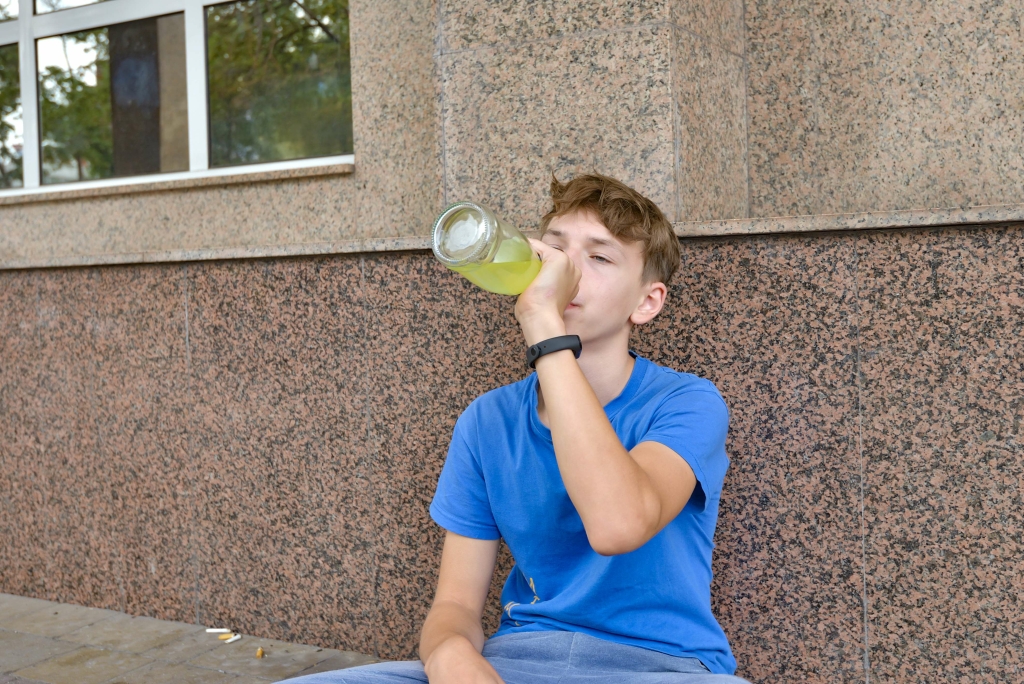
The relationship between drugs, alcohol and a weak immune system is a complex one. The digestive system or gastrointestinal (GI) tract consists of the path from the mouth and esophagus through the stomach and intestines. Here is where food gets broken down and digested, and nutrients extracted for the body’s use. Without a functioning digestive system, you cannot get all the vitamins and minerals you need from food, which can lead to damaging deficiencies over time. Some drugs cause indirect damage to the digestive system by forcing the liver to work harder, while others like alcohol cause direct harm to the cells lining the GI tract. When we think about the effects of alcohol on the body, the liver, brain, and heart often come to mind.
Dr. Sengupta shares some of the not-so-obvious effects that alcohol has on your body. When an individual drinks, his or her body’s main focus is on processing the alcohol. As a result, the body is depleted of energy to fight anything else, especially an illness. The symptoms of a COVID-19 infection are very similar to many cold and flu viruses.